

What Is Emotional Cheating and How Do You Know If It's Happening?
Emotional cheating can be hard to define, which is why so many people end up searching for answers in the first place. There is often no clear moment where something "happens." Instead, it usually starts with emotional closeness, comfort, or connection, slowly shifting outside the relationship.
That uncertainty is what makes emotional cheating confusing. So let's break it down clearly and calmly.
Source: National sample of 2,000 U.S. adults on romantic infidelity
Is Emotional Cheating Real Even If Nothing Physical Happens?
Yes. Emotional cheating is real even if nothing physical happens. In fact in a national sample of 2,000 U.S. adults, 76% of respondents said that a secret emotional relationship (even without sexual contact) counts as infidelity, and among married individuals, about 80% felt the same, indicating that emotional intimacy outside the relationship is widely perceived as cheating.
Emotional cheating happens when emotional attention, intimacy, or connection shifts away from a partner and toward someone else in a way that affects trust or closeness in the relationship.
Because the signs are often subtle, many people struggle to understand what actually counts as emotional cheating in real life, which is why we wrote this guide on emotional cheating to help.
This does not mean every conversation or friendship is a problem. Most emotional cheating starts quietly. It can look like sharing more with someone else, relying on them emotionally, or feeling more understood by them than by your partner.
If you are asking this question, it is usually because something feels different. That feeling alone does not mean anything is wrong, but it is often the first sign people notice.

Emotional distance often appears before obvious signs
Is Emotional Intimacy With Someone Else Considered Cheating?
It can be, depending on boundaries and intent.
Emotional intimacy becomes an issue when it begins to replace emotional connection within a relationship. This might include sharing personal thoughts, emotional struggles, or seeking comfort from someone else instead of your partner. Studies on romantic infidelity also show that about 35% of men and 30% of women report having been emotionally unfaithful at some point in their romantic relationships, emphasizing that emotional infidelity is a common experience even when physical cheating does not occur.
The key factor is not who the person is. It is whether the emotional closeness feels private, hidden, or more important than the relationship itself. This is why many people describe emotional cheating as harder to explain but just as painful as physical cheating.
It's difficult to tell the difference between a harmless connection and something deeper, so understanding the line between an emotional affair vs friendship can be helpful and smart.
Emotional cheating is often more damaging than physical infidelity because it involves a deeper betrayal of trust and intimacy. When someone shares their innermost thoughts and feelings with another person instead of their partner, it creates a disconnect that can be harder to repair than a one-time physical mistake.
Dr. Jennifer Martinez, Relationship PsychologistIs Having a Work Spouse or Emotional Dependency Cheating?
It can be, but not automatically.
A work spouse or emotionally close coworker becomes a problem when emotional support and connection start shifting away from a partner. This usually happens gradually through frequent conversations, shared stress, and emotional reliance.
If you find yourself turning to someone else for comfort or validation instead of your partner, that is often when emotional dependency begins to cross a line.
A simple way to check is this: If the relationship would feel uncomfortable to explain fully to your partner, it may be worth paying attention to.
💡 Did You Know?
Emotional affairs often start in the workplace, with "work spouses" being one of the most common scenarios. The gradual nature of these relationships (built through daily interactions and shared professional stress) makes them particularly difficult to detect early. What begins as innocent collaboration can slowly evolve into emotional dependency without either person initially recognizing the shift.
What Is Considered Emotional Cheating?
Emotional cheating is usually about patterns, not single moments.
Common signs include:
- Feeling emotionally closer to someone else than your partner
- Sharing personal thoughts you no longer share at home
- Hiding or minimizing conversations
- Relying on someone else for emotional support
- Feeling defensive when asked about the connection
When several of these signs appear together, it often overlaps with what people notice when they start questioning whether their partner's behavior fits common signs your partner may be cheating.
There is no universal rulebook, but when emotional energy consistently moves away from the relationship, most people start to feel the impact.
Is Emotional Cheating the Same as Emotional Abuse?
No, but they can overlap.
Emotional cheating is about misplaced emotional connection. Emotional abuse involves control, manipulation, or repeated dismissal of someone's feelings.
That said, if concerns are repeatedly brushed off or someone is made to feel unreasonable for asking questions, the emotional effect can become harmful over time.
What Should You Do If You're Unsure?
If you are unsure, that does not mean you need to jump to conclusions.
Most people start by:
- Paying attention to emotional patterns
- Noticing changes in communication
- Thinking about emotional boundaries
- Looking for clarity rather than confrontation
Some people also choose to better understand digital behavior or communication patterns before deciding what to do next. The goal is not to panic. It is to understand what is actually happening.
That's why we built our platform — to help you gain clarity by checking if your partner has active profiles on dating apps, giving you concrete answers instead of endless speculation.
Ask Yourself This
If you're still unsure, take a moment and ask yourself these questions honestly:
If you've checked three or more, it doesn't automatically mean your partner is emotionally cheating. But it does mean it's time to get some clarity, for your own peace of mind.
Living in constant doubt is exhausting. It keeps you stuck in your head, second-guessing everything, and that takes a real toll on your mental health. Sometimes getting clarity, even if it's uncomfortable, is better than staying trapped in uncertainty.
That's why we exist. Not to jump to conclusions, but to help people understand what's actually going on so they can stop spiraling and start feeling grounded again. Whatever the outcome, having clarity is almost always worth it.
Get the clarity you deserve without confrontation or conflict. Understand what's really happening so you can move forward with confidence.
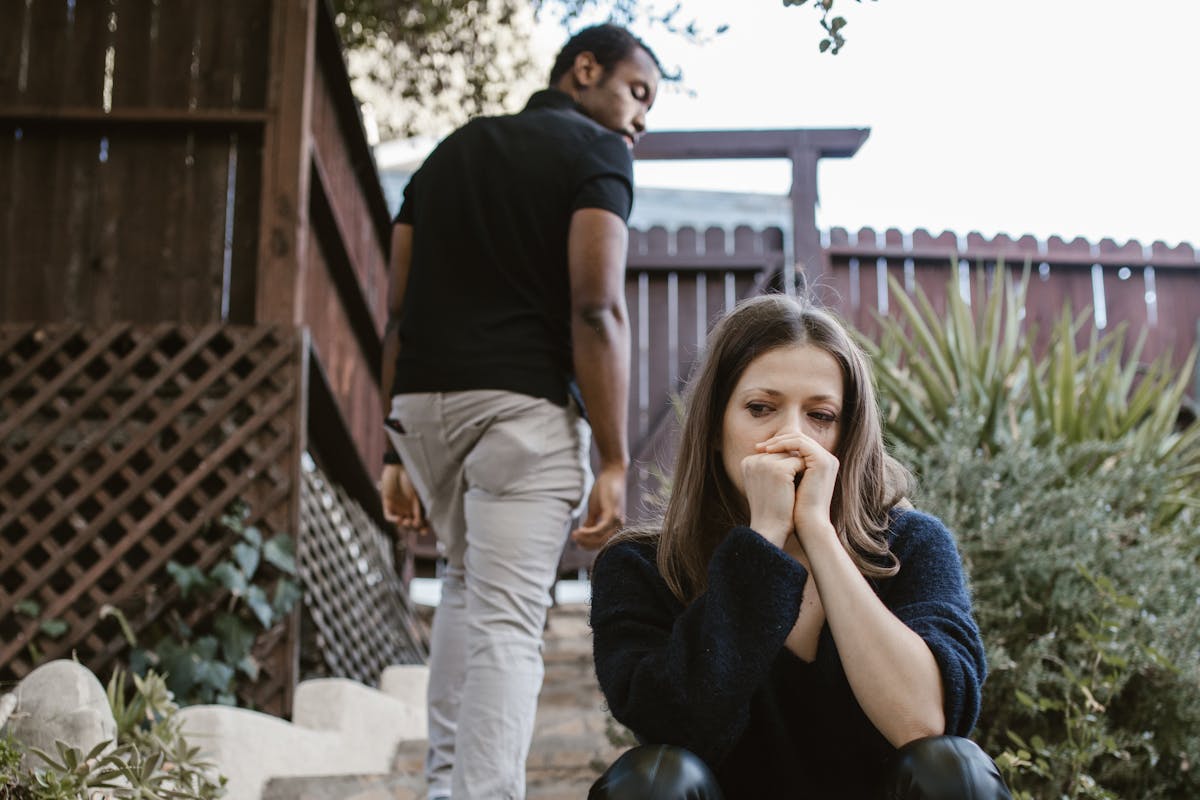
Taking time to understand your feelings is the first step
Bottom Line
If you are questioning emotional cheating, it does not mean something is broken. Most people ask these questions because they want clarity, not conflict.
Understanding what emotional cheating looks like can help you feel more grounded, more informed, and more confident about what to do next.
And sometimes, that clarity alone makes all the difference.